


What Are Bone and Dental Implants?
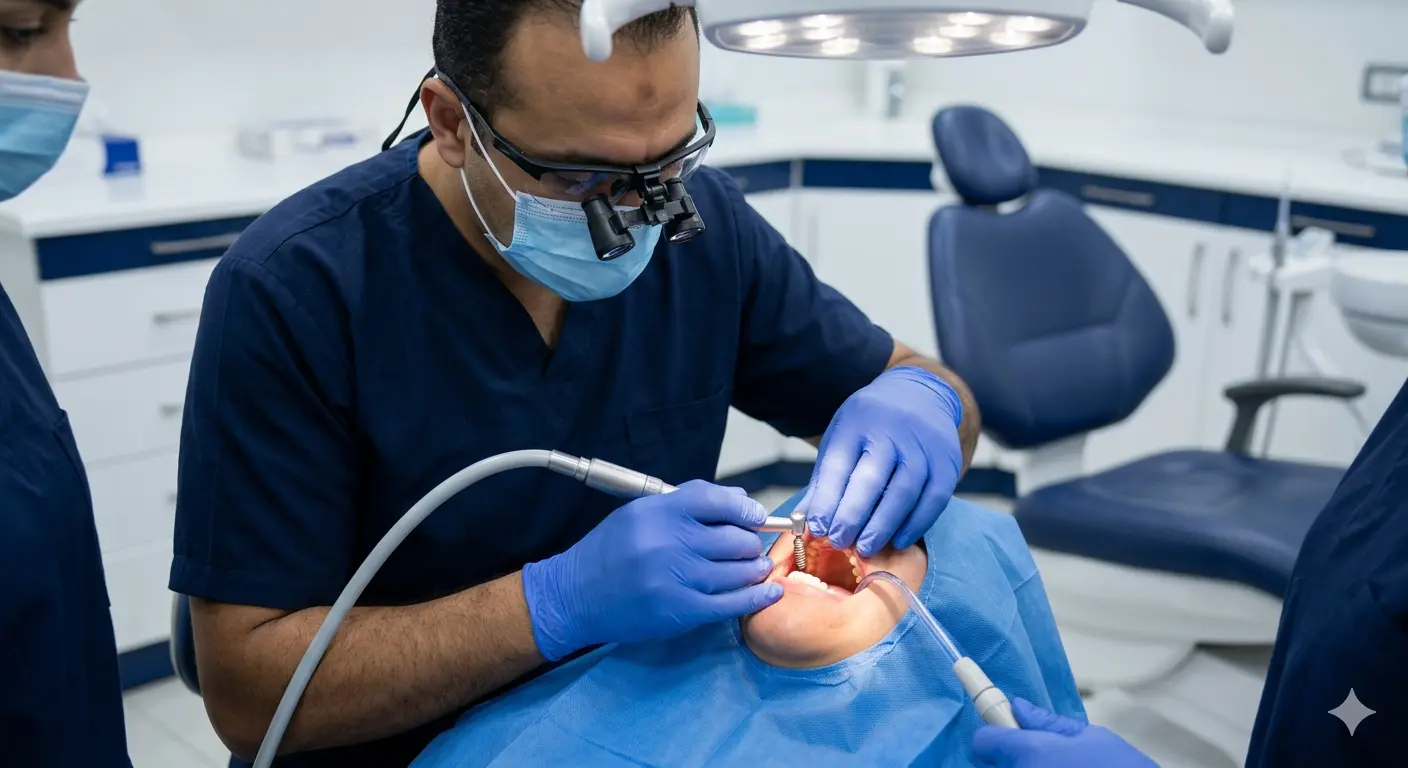
Bone and dental implants are advanced restorative treatments designed to replace missing teeth and rebuild oral function. Dental implants involve placing a biocompatible titanium post into the jawbone, where it acts as an artificial tooth root. Bone grafting procedures are often used to restore lost bone volume and density, creating a strong foundation for successful implant placement and long-term stability.
When Is Bone Grafting Necessary?
Bone grafting may be recommended when the jawbone lacks the strength or volume needed to support a dental implant. This condition can result from prolonged tooth loss, gum disease, trauma, or natural bone resorption over time. By rebuilding the jawbone structure, bone grafting enhances implant support and significantly improves the likelihood of a successful and lasting outcome.
Benefits of Bone and Dental Implants
Bone and dental implants offer numerous advantages, including improved chewing ability, enhanced speech, and a natural-looking smile. Unlike removable dentures, implants are securely anchored in the jaw, providing greater comfort and confidence. Additionally, they help preserve jawbone health by preventing bone loss and maintaining facial structure, contributing to both oral function and aesthetics.
Treatment Process and Aftercare
The treatment process begins with a comprehensive evaluation, including diagnostic imaging and a personalized treatment plan. If bone grafting is required, it is performed before or alongside implant placement, depending on the patient’s condition. Following the procedure, proper healing and regular follow-up visits are essential to ensure successful integration of the implant with the bone. Maintaining good oral hygiene and attending routine dental checkups help ensure long-term implant success.

